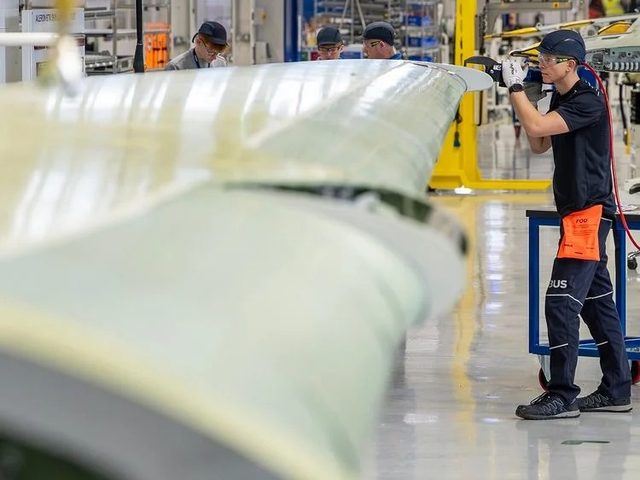
Record defence spending with British industry is beginning to translate into something increasingly tangible: new factories, expanded production lines and a larger domestic manufacturing base.
Ministry of Defence spending with UK industry reached £34.1 billion in 2025/26, up 3.2% in real terms and the highest level recorded since the current statistics began in 2013/14. Direct spending with SMEs reached £1.3 billion, while defence expenditure with UK industry supported an estimated 274,000 jobs in 2024/25.
The investment is also reshaping Britain's industrial footprint. Research into European defence manufacturing expansion found that the UK attracted 34 of the 197 defence facility investments announced or opened across Europe between January 2024 and August 2026, more than any other European country.
For AddQual Managing Director Ben Anderson, those figures point towards a wider industrial requirement. As manufacturing capacity expands, the systems used to inspect, qualify and release components will need to scale with it.
“Factories and production equipment are the visible side of reindustrialisation,” said Anderson. “Behind every component that enters a defence or aerospace programme sits an engineering process that establishes whether it meets the required standard, records the evidence and provides the traceability needed to release it.
“As volumes increase, the amount of qualification activity increases with them. Building that capability alongside production capacity will be an important part of turning investment into sustained output.”
The current defence investment cycle is broadening the manufacturing base. The UK accounted for ten of the 21 European investments identified in drone and autonomous vehicle production since the beginning of 2024. Further investment is flowing into aircraft, naval manufacturing, electronics, sensors, communications and other advanced technologies.
Much of this work sits naturally alongside Britain's established aerospace, precision engineering and advanced manufacturing supply chains. It also creates opportunities for smaller manufacturers as contracts move beyond prime contractors and Tier One suppliers.
New components, suppliers, manufacturing processes and production routes create inspection and verification requirements. They also generate large volumes of measurement data, documentation and engineering evidence.
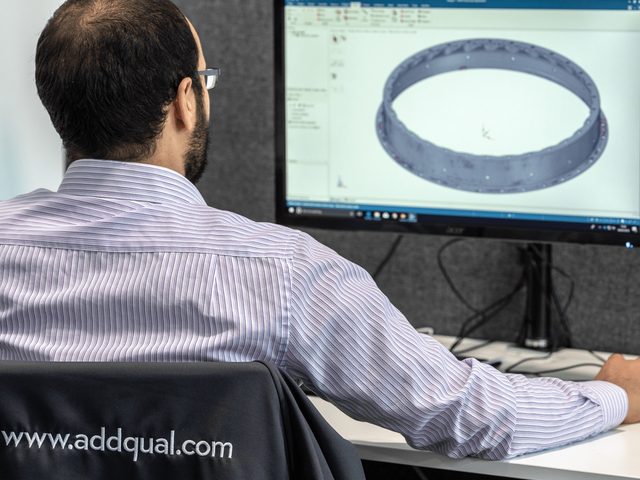
AddQual has spent several years developing technology around this part of the manufacturing process. Its MiDAS platform provides a digital foundation for inspection and qualification data, creating traceability between measurement evidence and engineering decisions.
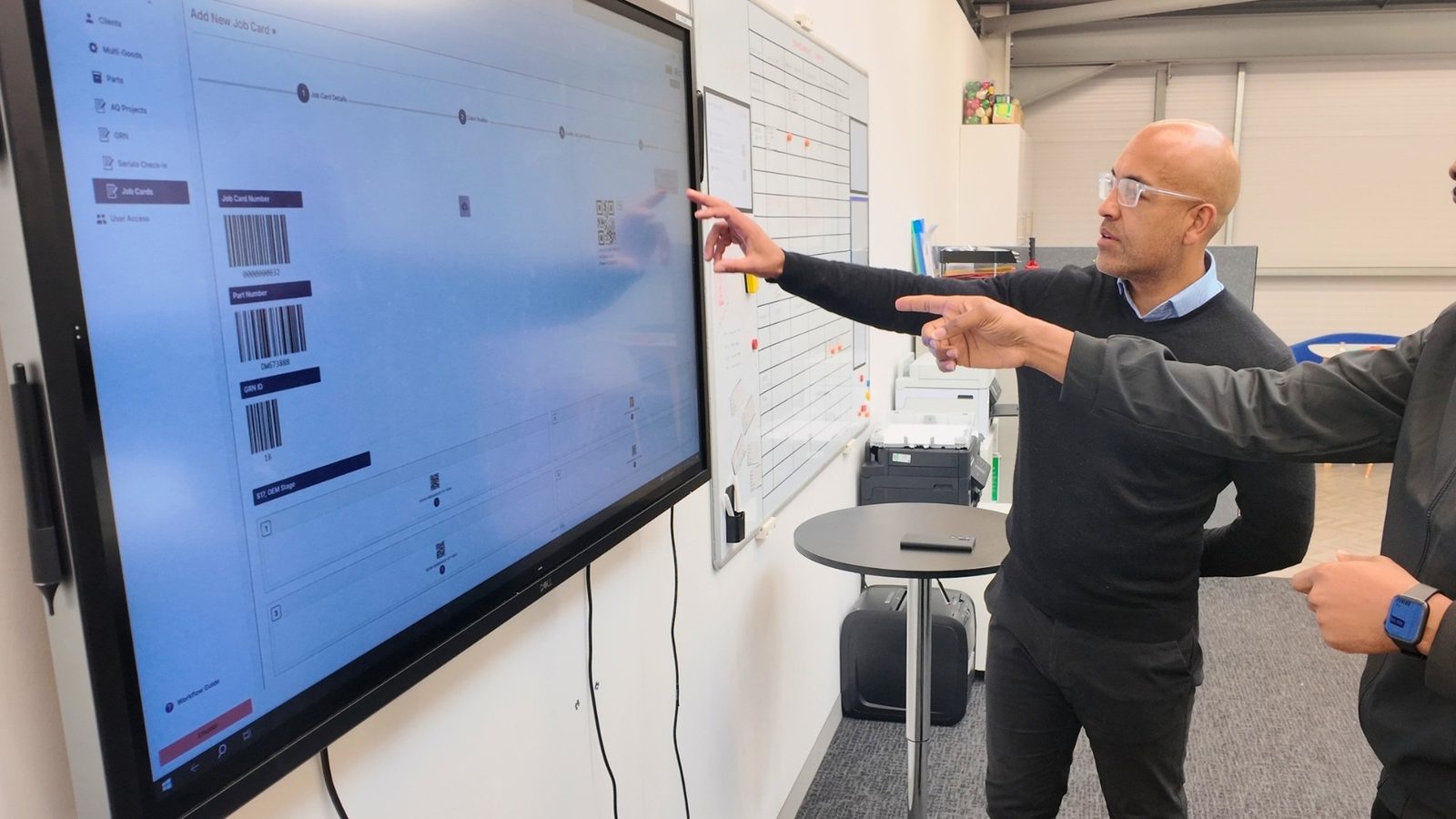
The company's ATLASQual technology extends that approach into qualification planning, bringing jobs, activities, people, available hours and machine capacity together to give engineering teams a clearer picture of the work moving through a qualification environment.
Anderson believes this becomes particularly relevant when industrial growth occurs quickly.
“Capacity is often discussed in terms of machines, facilities and headcount,” he said. “Qualification has its own capacity. You have people with specialist skills, inspection equipment, engineering hours and a sequence of activities that have to come together before work can progress.
“Understanding that capacity gives manufacturers a much clearer view of where work is going, where resources are required and how quickly a programme can move through qualification.”
The scale of Britain's defence ambitions also places greater value on experienced engineers, inspectors and metrology specialists. These skills take time to develop, particularly in sectors where measurement, verification and traceability form part of highly controlled production environments.
AddQual's approach is therefore centred on making engineering information easier to use across the qualification process. Inspection results can become part of a structured digital record, while repetitive movement and organisation of data can increasingly be handled through software and automation.
“The industry has a considerable amount of expertise sitting within its engineering teams,” said Anderson. “The opportunity is to give those people better information and more time to apply their judgement.
“We want the technology to do the work it is good at and give engineers more time for the work they are good at. As the industrial base grows, that becomes increasingly valuable because the same specialist knowledge has to support a larger volume of activity.”
That thinking is also shaping AddQual's development of engineering intelligence through MiDAS MIND, where structured inspection and qualification information can provide the foundation for greater automation and decision support.
The underlying principle remains engineering-led. Digital systems capture the evidence surrounding a component or process and make that evidence easier to retrieve, analyse and use. The next stage of the defence investment cycle could bring the qualification question further down the supply chain.
Europe's defence manufacturing ecosystem includes thousands of specialist SMEs. As procurement programmes progress and orders reach smaller suppliers, manufacturers will need to demonstrate their ability to deliver components repeatedly, maintain traceability and satisfy demanding customer requirements.
Britain's established precision engineering base gives the country a strong starting point. Anderson sees an opportunity to build qualification capability into that industrial expansion from the outset.
“There is a significant manufacturing opportunity emerging in the UK,” he said. “For companies entering new programmes or increasing their involvement in defence and aerospace, qualification is what gives industry confidence in the part and in the process used to produce it.
“If Britain can combine investment in production with investment in the way we inspect, qualify and manage engineering evidence, we create an industrial base capable of moving programmes through development and into repeat production efficiently.”
With £298 billion of UK defence investment planned over the next four years, the expansion of Britain's manufacturing base is likely to remain a defining industrial theme. New factories will provide part of that capacity. The engineering infrastructure behind them, from inspection and metrology through to qualification planning and digital traceability, will determine how effectively that capacity can be put to work.
For AddQual, that is where the reindustrialisation story becomes particularly interesting: converting growing manufacturing ambition into qualified, traceable production at scale.